lazybugger Posted June 13, 2017 Report Posted June 13, 2017 2 minutes ago, 4Vikram said: cutting emundi vuncle mundu nunchi men or boys depicted as outspoken or at least they were given that freedom to talk or tease or more liberty... ammailaki epudu ila undali atla cheyochu adi idhi ani chesiru anduke kncham reality ga matladithe manaki odd anipistadi anthe theda no. not just that. cutting is part of ritual of selecting their mates. ofcourse that is also changing. but women will always be more choosy than men. talking about it openly will not help them. Quote
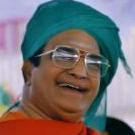
Srimantudu Posted June 13, 2017 Report Posted June 13, 2017 Just now, 4Vikram said: gif suste saripodu aa vuncle ? ante chuste inka baguntundemo ani Quote
4Vikram Posted June 13, 2017 Report Posted June 13, 2017 5 minutes ago, lazybugger said: no. not just that. cutting is part of ritual of selecting their mates. ofcourse that is also changing. but women will always be more choosy than men. talking about it openly will not help them. emo man naaku adhi anipichindi so tolded.. may be you are also right nduku ante ritual anav kada that has been imposing many things on women since decades. change is yes it is coming but still many people think the same way as old age Quote
4Vikram Posted June 13, 2017 Report Posted June 13, 2017 6 minutes ago, Srimantudu said: ante chuste inka baguntundemo ani ante mari apice lo mari Quote
Srimantudu Posted June 13, 2017 Report Posted June 13, 2017 1 minute ago, 4Vikram said: ante mari apice lo mari antha bayapadalsina scene kadu mari Quote
4Vikram Posted June 13, 2017 Report Posted June 13, 2017 Just now, Srimantudu said: antha bayapadalsina scene kadu mari atla ani kadu vuncle apice lo cinema endi malla dani search chesi avasaram aa ani anthe Quote
Srimantudu Posted June 13, 2017 Report Posted June 13, 2017 3 minutes ago, 4Vikram said: atla ani kadu vuncle apice lo cinema endi malla dani search chesi avasaram aa ani anthe dbing chestav kani cinemal soodava nuv Quote
lazybugger Posted June 13, 2017 Report Posted June 13, 2017 5 minutes ago, 4Vikram said: emo man naaku adhi anipichindi so tolded.. may be you are also right nduku ante ritual anav kada that has been imposing many things on women since decades. change is yes it is coming but still many people think the same way as old age In countries like Sweden, and to an extent Finland, that have almost an incredible of level of woman centric approach to society, the women from there still don't talk openly about s3x with guys they are not interested to talk with. so in that way, women are fundamentally different from men. They are choosy. ofcourse there are exceptions. Quote
Bathai_Babji Posted June 13, 2017 Report Posted June 13, 2017 1 hour ago, timmy said: ah payina question emo kani ee scene matram super scene ... ultimate conclusion untadhi ee movie lo ... Asalu kirrak movie idhi, konni years years varaku asalu eelanti movie teesey guts kuda evadiki levu ... ah scene ni carry cheyatam kani story ni two people madya cheppinchatam kani K.Vishwanath kanna evariki sadyam kadhu ... Guts Guts undali ilanti movie teeyalante.... Hats off KV Here is the small plot for you : Saptapadi deals with the transformation of an individual so devoted to (mired in) the concept of rituals, that it takes an act of God (will be discussed shortly) for him to realize the true spirit behind the rituals and true meaning of the prayers. Yajulu is a man of great conviction. According to him rules and customs, that have been passed down generations thus standing the test of the time, are there for a reason and hence are immutable; traditions are trademarks of a culture and customs, its signature. He does not mind losing his daughter for his principles. He is well into his twilight years which give him even more reason to not mend his ways. In his footsteps follows his Gaurinadha (grandchild from his son), gearing up to be a head priest at the local temple. Yajulu's will prevails over Hema's (grandchild from his daughter) wish and Gauri and Hema end up being married. However, Hema is secretly in love with a flutist, who is not of her caste. The brilliance of Viswanath comes full fore at this point, when on the first night, Gauri witnesses Durga devi in Hema, and walks out of the room completely shaken up. Gaurinadha, being an ardent devotee of the Devi, realizes that his wife is in love with another man, hence she is like a mother to him, nothing more, nothing less. This act of God triggers Yajulu's thought process to seriously question, for the first time in his life, the validity of his position on matters that involve caste, creed and religion, justifying the steps that Yajulu takes one a time, from the first one in trying to understand Hema's real interests till the last one, when he sees her off with her love interest on the boat. The crux of the whole film is contained in a beautiful conversation that happens between the characters played by Allu Rama Lingaiah and J.V. Somayajulu. Is caste a necessary evil? Is it evil in the first place? If the original idea that "dharmam" (vrutthi dharmam in this case, than mano dharmam, meaning, nobody is born as one pertaining to a caste. It is his duties that make him one) dictates the caste of an individual, isn't it abnegation of one's own dharmam when one denounces his own caste? If structure (in the form of division of duties) was the primary reason why caste was created in the first place, isn't it working against the same individual to be caught up completely in the structure that he himself created? Which/Who controls what here? If the duties of the individual cannot make him realize the ultimate purpose of the same, what good is it, if he belongs to the highest order bestowed with the greatest privileges. Consider a brahman diligently offering his prayers on a daily basis, totally immersed in the rituals that traditions and customs dictate. The class of brahman, according to the Smriti, was created to act as a mediator/representative between the rest of the populace and their beliefs, performing the rituals, on their behalf, for the greater good of the society. The class was to bring people closer, in the name of traditions, rituals, customs, and above all, belief. Cleanliness and tidiness help him in concentrating on the task at hand. Now, if he is to stray away from the ultimate purpose of his duty (performing rituals for the greater good) and instead indulge in the practices of cleanliness and tidiness to the extreme degree, that he starts alienating people in the name of untouchability, he starts moving away from his "dharmam", defeating the very purpose of his existence, which brings back the original question - which/who controls what? Is the individual controlling the caste or the caste has a greater say over the individual? Quote
lazybugger Posted June 13, 2017 Report Posted June 13, 2017 1 minute ago, Bathai_Babji said: ah payina question emo kani ee scene matram super scene ... ultimate conclusion untadhi ee movie lo ... Asalu kirrak movie idhi, konni years years varaku asalu eelanti movie teesey guts kuda evadiki levu ... ah scene ni carry cheyatam kani story ni two people madya cheppinchatam kani K.Vishwanath kanna evariki sadyam kadhu ... Guts Guts undali ilanti movie teeyalante.... Hats off KV Here is the small plot for you : Saptapadi deals with the transformation of an individual so devoted to (mired in) the concept of rituals, that it takes an act of God (will be discussed shortly) for him to realize the true spirit behind the rituals and true meaning of the prayers. Yajulu is a man of great conviction. According to him rules and customs, that have been passed down generations thus standing the test of the time, are there for a reason and hence are immutable; traditions are trademarks of a culture and customs, its signature. He does not mind losing his daughter for his principles. He is well into his twilight years which give him even more reason to not mend his ways. In his footsteps follows his Gaurinadha (grandchild from his son), gearing up to be a head priest at the local temple. Yajulu's will prevails over Hema's (grandchild from his daughter) wish and Gauri and Hema end up being married. However, Hema is secretly in love with a flutist, who is not of her caste. The brilliance of Viswanath comes full fore at this point, when on the first night, Gauri witnesses Durga devi in Hema, and walks out of the room completely shaken up. Gaurinadha, being an ardent devotee of the Devi, realizes that his wife is in love with another man, hence she is like a mother to him, nothing more, nothing less. This act of God triggers Yajulu's thought process to seriously question, for the first time in his life, the validity of his position on matters that involve caste, creed and religion, justifying the steps that Yajulu takes one a time, from the first one in trying to understand Hema's real interests till the last one, when he sees her off with her love interest on the boat. The crux of the whole film is contained in a beautiful conversation that happens between the characters played by Allu Rama Lingaiah and J.V. Somayajulu. Is caste a necessary evil? Is it evil in the first place? If the original idea that "dharmam" (vrutthi dharmam in this case, than mano dharmam, meaning, nobody is born as one pertaining to a caste. It is his duties that make him one) dictates the caste of an individual, isn't it abnegation of one's own dharmam when one denounces his own caste? If structure (in the form of division of duties) was the primary reason why caste was created in the first place, isn't it working against the same individual to be caught up completely in the structure that he himself created? Which/Who controls what here? If the duties of the individual cannot make him realize the ultimate purpose of the same, what good is it, if he belongs to the highest order bestowed with the greatest privileges. Consider a brahman diligently offering his prayers on a daily basis, totally immersed in the rituals that traditions and customs dictate. The class of brahman, according to the Smriti, was created to act as a mediator/representative between the rest of the populace and their beliefs, performing the rituals, on their behalf, for the greater good of the society. The class was to bring people closer, in the name of traditions, rituals, customs, and above all, belief. Cleanliness and tidiness help him in concentrating on the task at hand. Now, if he is to stray away from the ultimate purpose of his duty (performing rituals for the greater good) and instead indulge in the practices of cleanliness and tidiness to the extreme degree, that he starts alienating people in the name of untouchability, he starts moving away from his "dharmam", defeating the very purpose of his existence, which brings back the original question - which/who controls what? Is the individual controlling the caste or the caste has a greater say over the individual? devudi vayya nuvvu. Quote
mybabyboy Posted June 13, 2017 Author Report Posted June 13, 2017 8 minutes ago, Bathai_Babji said: ah payina question emo kani ee scene matram super scene ... ultimate conclusion untadhi ee movie lo ... Asalu kirrak movie idhi, konni years years varaku asalu eelanti movie teesey guts kuda evadiki levu ... ah scene ni carry cheyatam kani story ni two people madya cheppinchatam kani K.Vishwanath kanna evariki sadyam kadhu ... Guts Guts undali ilanti movie teeyalante.... Hats off KV Here is the small plot for you : Saptapadi deals with the transformation of an individual so devoted to (mired in) the concept of rituals, that it takes an act of God (will be discussed shortly) for him to realize the true spirit behind the rituals and true meaning of the prayers. Yajulu is a man of great conviction. According to him rules and customs, that have been passed down generations thus standing the test of the time, are there for a reason and hence are immutable; traditions are trademarks of a culture and customs, its signature. He does not mind losing his daughter for his principles. He is well into his twilight years which give him even more reason to not mend his ways. In his footsteps follows his Gaurinadha (grandchild from his son), gearing up to be a head priest at the local temple. Yajulu's will prevails over Hema's (grandchild from his daughter) wish and Gauri and Hema end up being married. However, Hema is secretly in love with a flutist, who is not of her caste. The brilliance of Viswanath comes full fore at this point, when on the first night, Gauri witnesses Durga devi in Hema, and walks out of the room completely shaken up. Gaurinadha, being an ardent devotee of the Devi, realizes that his wife is in love with another man, hence she is like a mother to him, nothing more, nothing less. This act of God triggers Yajulu's thought process to seriously question, for the first time in his life, the validity of his position on matters that involve caste, creed and religion, justifying the steps that Yajulu takes one a time, from the first one in trying to understand Hema's real interests till the last one, when he sees her off with her love interest on the boat. The crux of the whole film is contained in a beautiful conversation that happens between the characters played by Allu Rama Lingaiah and J.V. Somayajulu. Is caste a necessary evil? Is it evil in the first place? If the original idea that "dharmam" (vrutthi dharmam in this case, than mano dharmam, meaning, nobody is born as one pertaining to a caste. It is his duties that make him one) dictates the caste of an individual, isn't it abnegation of one's own dharmam when one denounces his own caste? If structure (in the form of division of duties) was the primary reason why caste was created in the first place, isn't it working against the same individual to be caught up completely in the structure that he himself created? Which/Who controls what here? If the duties of the individual cannot make him realize the ultimate purpose of the same, what good is it, if he belongs to the highest order bestowed with the greatest privileges. Consider a brahman diligently offering his prayers on a daily basis, totally immersed in the rituals that traditions and customs dictate. The class of brahman, according to the Smriti, was created to act as a mediator/representative between the rest of the populace and their beliefs, performing the rituals, on their behalf, for the greater good of the society. The class was to bring people closer, in the name of traditions, rituals, customs, and above all, belief. Cleanliness and tidiness help him in concentrating on the task at hand. Now, if he is to stray away from the ultimate purpose of his duty (performing rituals for the greater good) and instead indulge in the practices of cleanliness and tidiness to the extreme degree, that he starts alienating people in the name of untouchability, he starts moving away from his "dharmam", defeating the very purpose of his existence, which brings back the original question - which/who controls what? Is the individual controlling the caste or the caste has a greater say over the individual? Quote
Mustachio Posted June 13, 2017 Report Posted June 13, 2017 1 hour ago, holycow205 said: @Doctor_Samaram nuvvena vuncle adi? Quote
Idassamed Posted June 13, 2017 Report Posted June 13, 2017 30 minutes ago, Bathai_Babji said: ah payina question emo kani ee scene matram super scene ... ultimate conclusion untadhi ee movie lo ... Asalu kirrak movie idhi, konni years years varaku asalu eelanti movie teesey guts kuda evadiki levu ... ah scene ni carry cheyatam kani story ni two people madya cheppinchatam kani K.Vishwanath kanna evariki sadyam kadhu ... Guts Guts undali ilanti movie teeyalante.... Hats off KV Here is the small plot for you : Saptapadi deals with the transformation of an individual so devoted to (mired in) the concept of rituals, that it takes an act of God (will be discussed shortly) for him to realize the true spirit behind the rituals and true meaning of the prayers. Yajulu is a man of great conviction. According to him rules and customs, that have been passed down generations thus standing the test of the time, are there for a reason and hence are immutable; traditions are trademarks of a culture and customs, its signature. He does not mind losing his daughter for his principles. He is well into his twilight years which give him even more reason to not mend his ways. In his footsteps follows his Gaurinadha (grandchild from his son), gearing up to be a head priest at the local temple. Yajulu's will prevails over Hema's (grandchild from his daughter) wish and Gauri and Hema end up being married. However, Hema is secretly in love with a flutist, who is not of her caste. The brilliance of Viswanath comes full fore at this point, when on the first night, Gauri witnesses Durga devi in Hema, and walks out of the room completely shaken up. Gaurinadha, being an ardent devotee of the Devi, realizes that his wife is in love with another man, hence she is like a mother to him, nothing more, nothing less. This act of God triggers Yajulu's thought process to seriously question, for the first time in his life, the validity of his position on matters that involve caste, creed and religion, justifying the steps that Yajulu takes one a time, from the first one in trying to understand Hema's real interests till the last one, when he sees her off with her love interest on the boat. The crux of the whole film is contained in a beautiful conversation that happens between the characters played by Allu Rama Lingaiah and J.V. Somayajulu. Is caste a necessary evil? Is it evil in the first place? If the original idea that "dharmam" (vrutthi dharmam in this case, than mano dharmam, meaning, nobody is born as one pertaining to a caste. It is his duties that make him one) dictates the caste of an individual, isn't it abnegation of one's own dharmam when one denounces his own caste? If structure (in the form of division of duties) was the primary reason why caste was created in the first place, isn't it working against the same individual to be caught up completely in the structure that he himself created? Which/Who controls what here? If the duties of the individual cannot make him realize the ultimate purpose of the same, what good is it, if he belongs to the highest order bestowed with the greatest privileges. Consider a brahman diligently offering his prayers on a daily basis, totally immersed in the rituals that traditions and customs dictate. The class of brahman, according to the Smriti, was created to act as a mediator/representative between the rest of the populace and their beliefs, performing the rituals, on their behalf, for the greater good of the society. The class was to bring people closer, in the name of traditions, rituals, customs, and above all, belief. Cleanliness and tidiness help him in concentrating on the task at hand. Now, if he is to stray away from the ultimate purpose of his duty (performing rituals for the greater good) and instead indulge in the practices of cleanliness and tidiness to the extreme degree, that he starts alienating people in the name of untouchability, he starts moving away from his "dharmam", defeating the very purpose of his existence, which brings back the original question - which/who controls what? Is the individual controlling the caste or the caste has a greater say over the individual? Super movie and Great write up babji Quote
4Vikram Posted June 13, 2017 Report Posted June 13, 2017 39 minutes ago, Srimantudu said: dbing chestav kani cinemal soodava nuv dbing ante oka website laga kada vuncle youtube ante janal feel aitar no 38 minutes ago, lazybugger said: In countries like Sweden, and to an extent Finland, that have almost an incredible of level of woman centric approach to society, the women from there still don't talk openly about s3x with guys they are not interested to talk with. so in that way, women are fundamentally different from men. They are choosy. ofcourse there are exceptions. yeah true that Quote
samaja_varagamana Posted June 13, 2017 Report Posted June 13, 2017 2 hours ago, timmy said: pooja cheyali antava room lo Quote








.thumb.jpg.ce42bb16ec102475a78c2087ce269c7d.jpg)
.thumb.gif.343fe49c7e1c507ae0056326bd8cf77e.gif)
Recommended Posts
Join the conversation
You can post now and register later. If you have an account, sign in now to post with your account.